ameRVica
This is an ongoing project that began in June, 2026.
I never imagined Trump would be elected president in 2016. I thought most Americans hated loud mouth, arrogant New Yorkers. And I thought for sure he would lose his 2020 re-election bid by a landslide.
As I explored Trump’s hold over many people in this country (see menu - “Has Godot Arrived”), I concluded that I didn’t know my own country. Thus, as I embrace retired life and my love of travel, I decided, rather than explore distant lands, I would learn more about my own country.
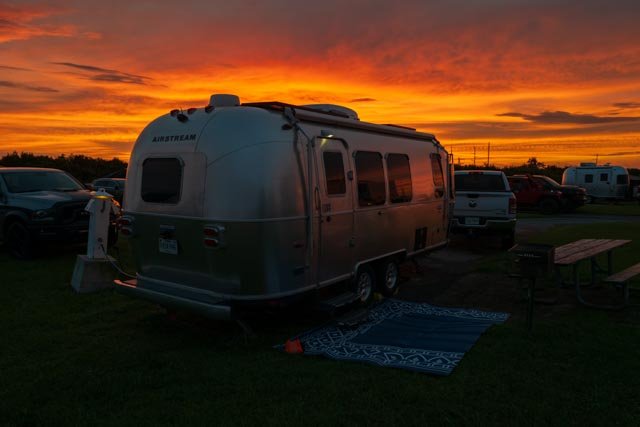
So, in April, 2026, I bought a 2013 Airstream International and a 2024 Dodge Ram 2500 Bighorn pickup truck. Paying homage to my Scandinavian roots (my mother’s father was off the boat from Sweden), I named the trailer, “Freyja,” the Norse Goddess of Love, Beauty, Fertility and War (no contradictions there!). My idea was simple - explore this country, primarily by visiting our National Parks, Wildlife Refuges and Monuments, and learn about my fellow countrymen.
Reading, Pennsylvania
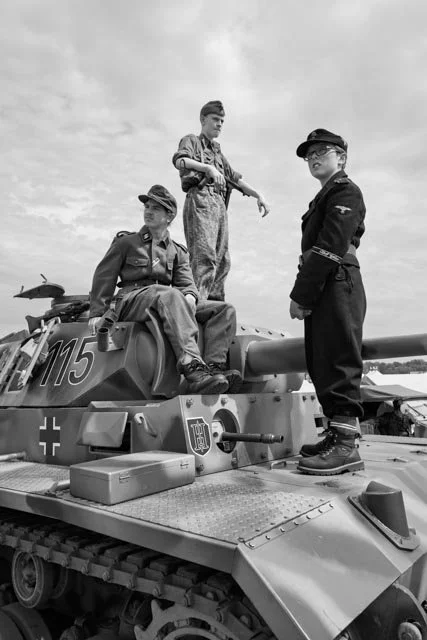
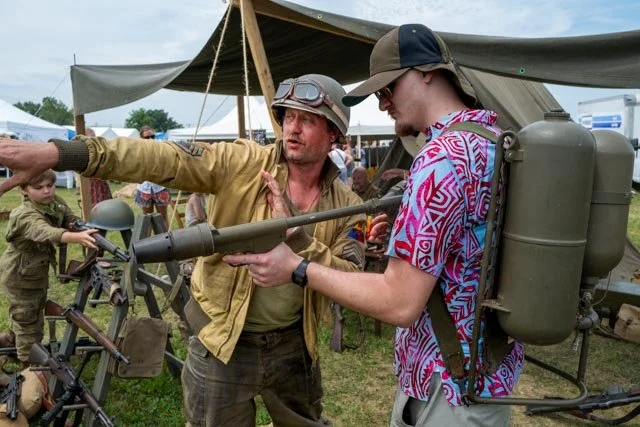
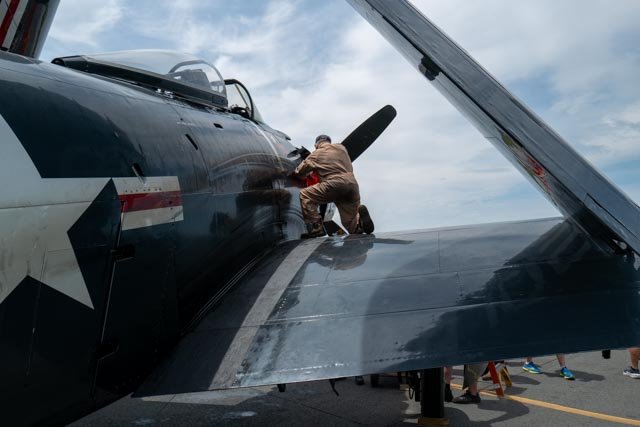
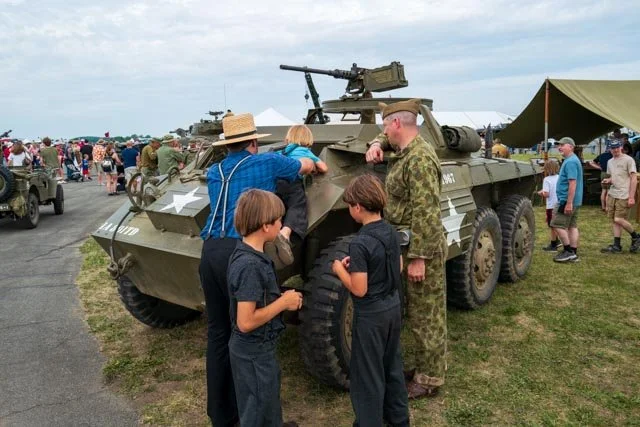
My first travel adventure was to Reading in June, 2026 to attend “The Mid-Atlantic Air Museum’s WW II Weekend.” Re-enactors fascinate me (see menu - “Jonathan Reb”) and this one didn’t disappoint! I found the ones dressed as Nazis particularly interesting. I wish I would have mustered the courage to have a conversation but they looked intimidating and how do you have a conversation with someone that probably wishes you were either dead or not living in their country?
Since I’ve long suspected that racism is the root cause of Trump’s popularity, I found it very appropriate that my ameRVican exploration began here with Americans re-enacting, implausibly, Nazis. I’ll need to muster the courage next time to have an important conversation.




The Outer Banks, North Carolina
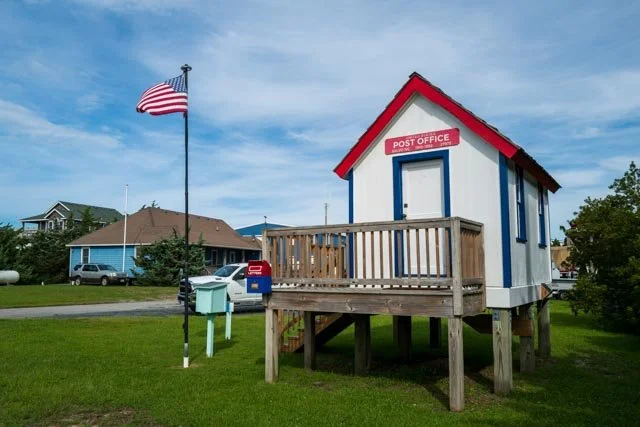
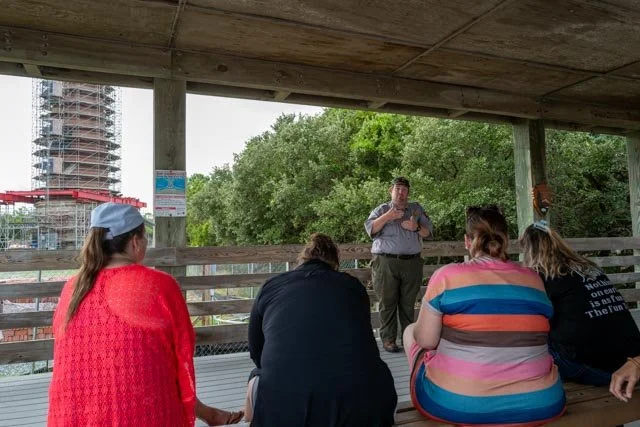
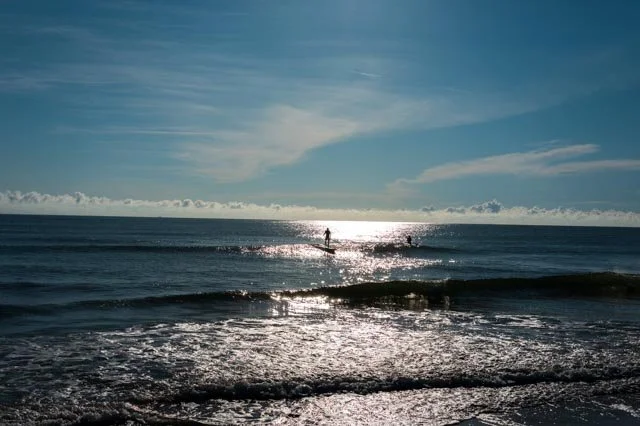
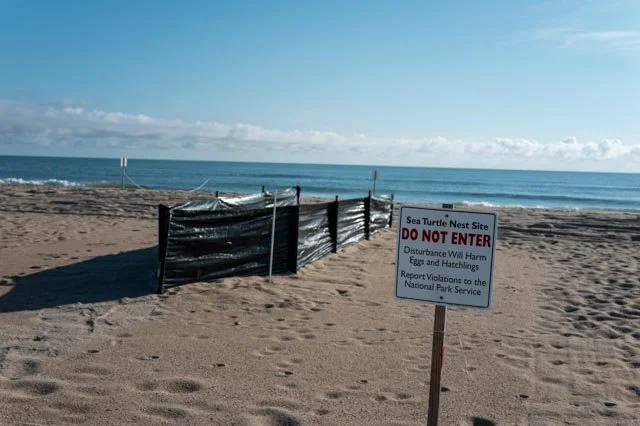
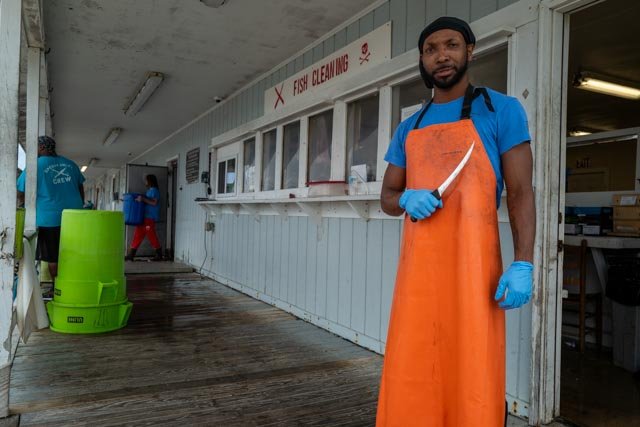
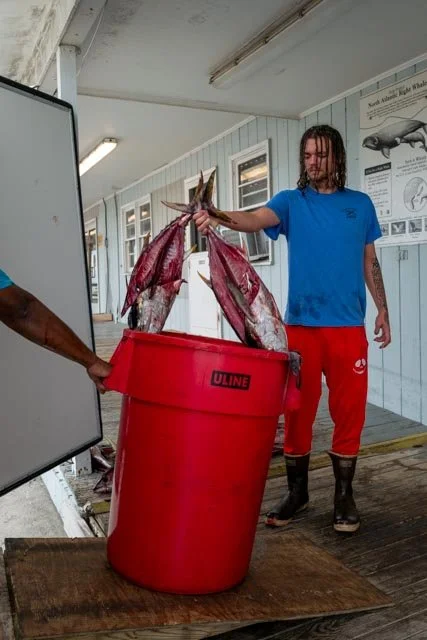
In late August, I explored North Carolina’s Outer Banks, camping at Cape Hatteras National Seashore. The seashore stretches for over 70 miles of wide open beaches, although a few small, charming towns are interspersed along the way. As such, it’s not crowded and thankfully, there are no miniature golf courses nor candy stores nor ridiculously large beachfront homes that you usually see littering beach communities. It was a truly quiet, beautiful and peaceful place to just rest and enjoy.
The Outer Banks is known as the “Graveyard of the Atlantic.” This is due to the thousands of ships that have run aground over the many years because of constantly shifting sandbars. The Gulf Stream, from the south, collides with the Labrador Stream, from the north, at Cape Hatteras, and perhaps this explains why the coastal sand underneath is in constant turmoil. Interestingly, there is at least one German submarine from WW II that’s submerged off the coast as well as the USS Monitor, the infamous ironclad from our Civil War, which sunk in 1862.
I learned the Outer Banks is a string of peninsulas and barrier islands that are in constant flux. This flux is primarily due to beach erosion and rising seas. In 1999, the Cape Hatteras Lighthouse had to be moved 2,900 feet inland due to this flux. It’s a physical reminder that things we consider “permanent,” in fact, are not…everything is in flux, nothing is permanent.
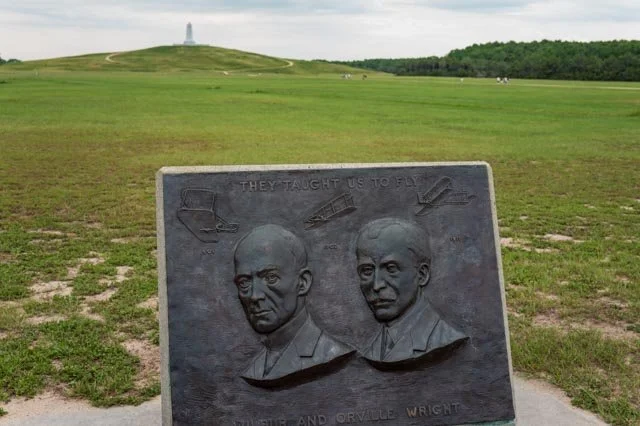
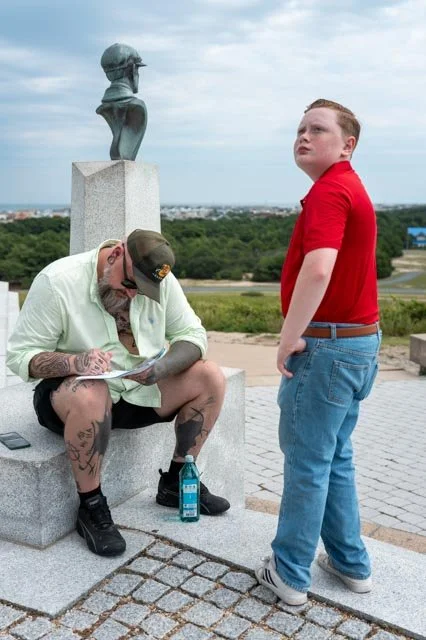
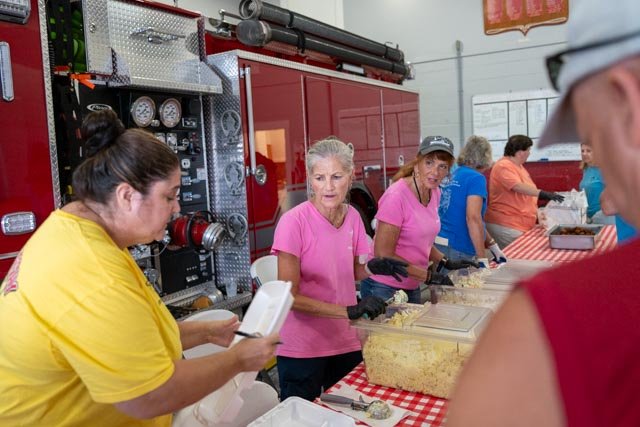
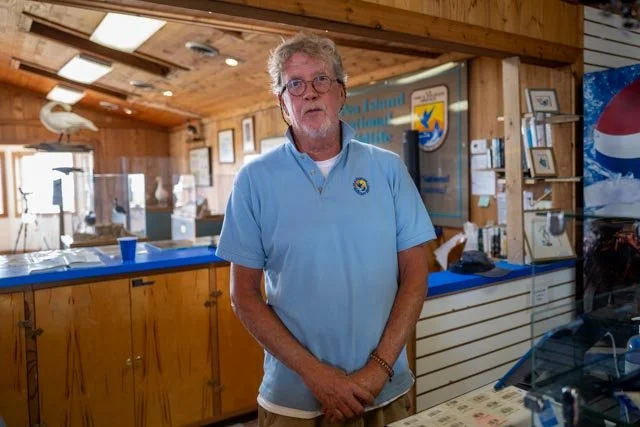
I found the Wright Brothers Memorial in Kill Devil Hills to be uplifting. I was inspired by their achievement and it reminded me what Americans can achieve with perserverance and creative problem-solving. I also enjoyed meeting people along the way whose job is to take care of the tourists. I appreciate their efforts and hope other visitors feel the same.